Blog ·
How to Prepare Your Wedding Day for Cinematic Video
Setting the Stage for Your Story
Your wedding day unfolds across hours, but the most compelling cinematic moments often come from understanding the technical realities of capturing light, sound, and movement. When you invest in professional cinematography, preparing thoughtfully amplifies the final result significantly.
Timing and Natural Light Matter
Sunlight changes dramatically throughout the day. Morning ceremonies benefit from soft, directional light during golden hour, while midday events require strategic positioning to avoid harsh shadows on faces. Discuss your ceremony start time with your cinematographer weeks in advance. If your venue offers flexibility, scheduling around peak golden hour—the hour before sunset—creates naturally flattering footage without requiring additional lighting equipment.
Communicate Your Vision and Logistics
Share the layout of your ceremony and reception spaces. Your videographer needs to know ceiling heights, window locations, and whether they can position cameras freely or must remain discreet. If certain moments matter most—your first kiss, first dance, family processionals—mention these specifically. This allows equipment setup and positioning that captures these moments from thoughtful angles.
Prepare Your Wedding Party
Brief your bridesmaids, groomsmen, and family members about the camera's presence. The most compelling video captures authentic reactions and natural movement. When people know they're being filmed but feel comfortable, their genuine emotions shine through. Encourage your wedding party to embrace the moment rather than perform for the camera.
Plan Your Ceremony Carefully
Coordinate the order of events with your officiant and cinematographer. Unexpected delays—waiting for a guest who is running late, for example—can compromise lighting windows. A detailed schedule, shared in advance, ensures your videographer positions equipment optimally and anticipates transitional moments that deserve capturing.
Protect the Audio Experience
Clear communication during vows, readings, and speeches makes these emotional moments resonate. Discuss acoustic challenges with your venue. If outdoors, wind noise becomes significant; indoors, echo from high ceilings requires consideration. Your cinematographer will manage technical audio capture, but knowing these challenges helps everyone speak clearly during important moments.
Allow Space for Creativity
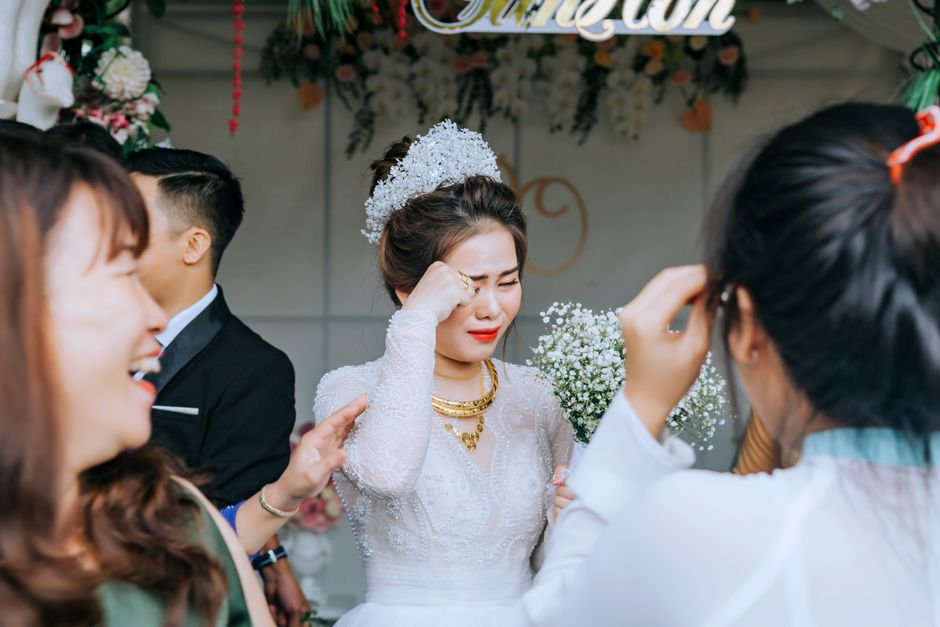
While detailed planning matters, the best cinematic footage often emerges from unscripted interactions—stealing glances during the ceremony, genuine laughter during the reception, quiet moments between events. Trust your cinematographer's eye and experience. They're watching for the authentic instances that become the heart of your final film.
Preparation and flexibility work together. By providing clear information and logistics while remaining open to capturing spontaneous beauty, you create the ideal conditions for a cinematic legacy that genuinely reflects your day.